

Healthy eating does not need special foods or strict rules. This guide focuses on small, practical changes that fit your culture, budget and taste.
- Start by improving one meal that is often rushed or difficult rather than overhauling your whole week at once.
- Build variety onto dishes you already enjoy from your own culture by adding a vegetable, whole grain, beans or lentils.
- Use the Nutrition Facts label to compare similar foods: 5% Daily Value or less per serving is low, and 20% DV or more is high.
- Keep pantry staples like canned beans, frozen vegetables, oats, rice and eggs on hand for busy days.
Start with one difficult meal
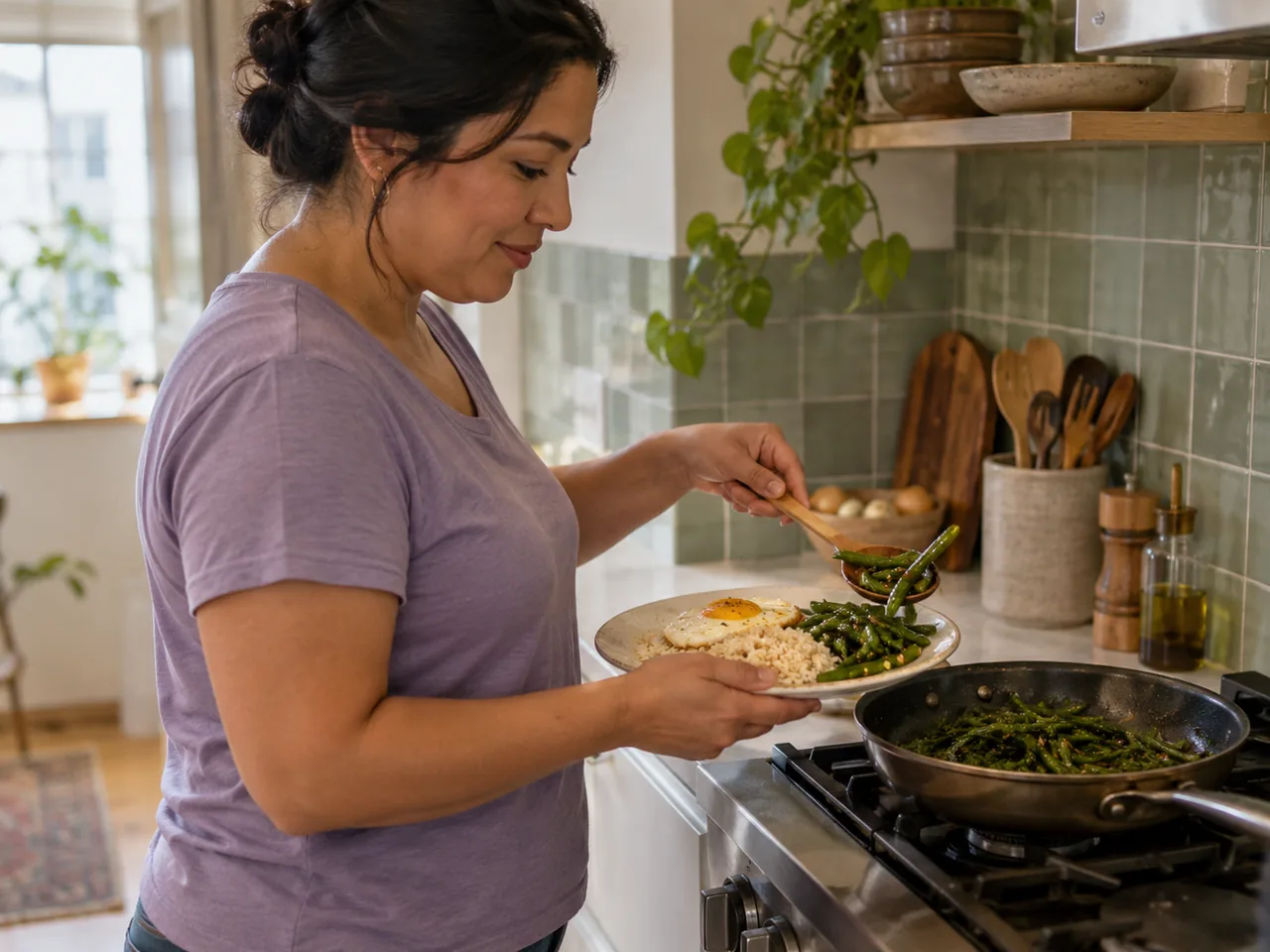
Rather than changing everything, pick the one meal that is hardest to get right, such as a rushed breakfast or a late dinner after work. Improving one meal you eat often can matter more than overhauling meals you rarely struggle with.
If breakfast is often skipped or grabbed on the way out, an option you can prepare the night before may help. If dinner is the hard one, the meal planning guide has ideas for busy evenings.
Build variety from familiar foods
Start with dishes you already eat and enjoy, including foods from your own culture, and add variety to them: another vegetable, a different grain, or beans or lentils. Familiar meals are easier to repeat, and cost less effort than learning entirely new recipes.
Related read: Meal Planning for a More Manageable Week
Serving sizes and your own portions
The serving size on a Nutrition Facts label is a standard amount used for comparison. It is not a recommendation for how much you personally should eat. When comparing similar foods, the percent Daily Value is a quick guide: 5% DV or less of a nutrient per serving is considered low, and 20% DV or more is considered high.
MyPlate is a long-standing visual guide to balancing food groups; you can use it as a rough picture of a varied plate.
The percent Daily Value is a reference point for comparing foods, not a personal target. Your own portions depend on your appetite, activity and circumstances.
Practical pantry ingredients
A few staples make balanced meals easier on busy days: canned or dried beans and lentils, whole grains such as rice or oats, frozen vegetables, canned tomatoes, eggs, and herbs and spices you like. Check labels for allergens, and keep foods stored safely.
Frozen and canned vegetables can be practical, low-waste choices. When comparing similar products, the label lets you check things like sodium or added sugars side by side.
Keep what is enjoyable and repeatable
After a week or two, notice which changes you enjoyed and kept doing, and which felt like a chore. The changes you enjoy are the ones most likely to last.
If a change felt like a chore, try a smaller version of it, or swap it for something you prefer. There is no single right way to eat well.
Try it: an optional example
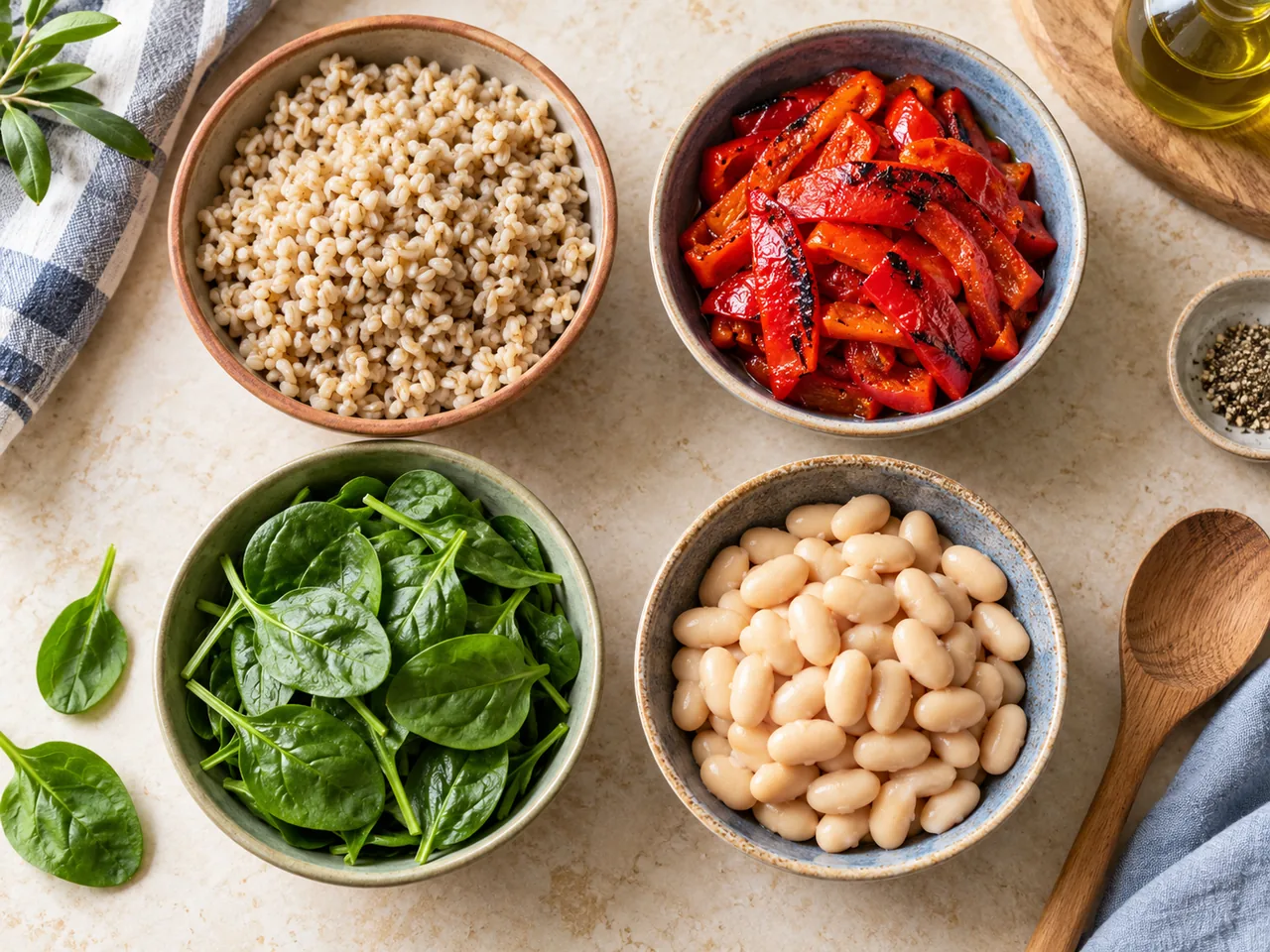
Take a familiar rice dish and add beans, sliced peppers and salsa. Portions can be whatever suits you, and swap ingredients for any allergies or preferences.
Sources
- FDA: Using the Nutrition Facts label and MyPlate
- FDA: How to understand and use the Nutrition Facts label
- FoodSafety.gov: 4 steps to food safety
Written from primary sources. Review by a qualified professional is pending. General information, not medical advice. Links are to primary sources and are not endorsements of LiftIQ. Photos are illustrative.
Related guides


Keep exploring
Read as much as you like. An account is for following your own plan and progress.