

Sweet food can stay part of a life you enjoy. Most public health advice about sugar is about one specific kind: sugar added to foods and drinks. This guide explains what counts, how much different organizations suggest, and realistic ways to cut back that fit around training, work and family.
- Public health sugar limits apply to added and free sugars (syrups, table sugar, honey, juice), not the natural sugars in whole fruit, vegetables or plain milk.
- Cutoffs vary across WHO (under 10% of energy, conditionally under 5%), US Dietary Guidelines (2020-2025 under 10%; 2025-2030 up to 10 g per meal) and AHA (under 6% of calories), but all point toward cutting back.
- Sweetened drinks (including sports and energy drinks outside long workouts, flavored coffees and sodas) are the largest source of added sugar in the US diet.
- Check the "Includes Added Sugars" line on labels (5% DV or less is low, 20% DV or more is high) and start with one small drink or breakfast swap you can keep.
Which sugars the guidance is about
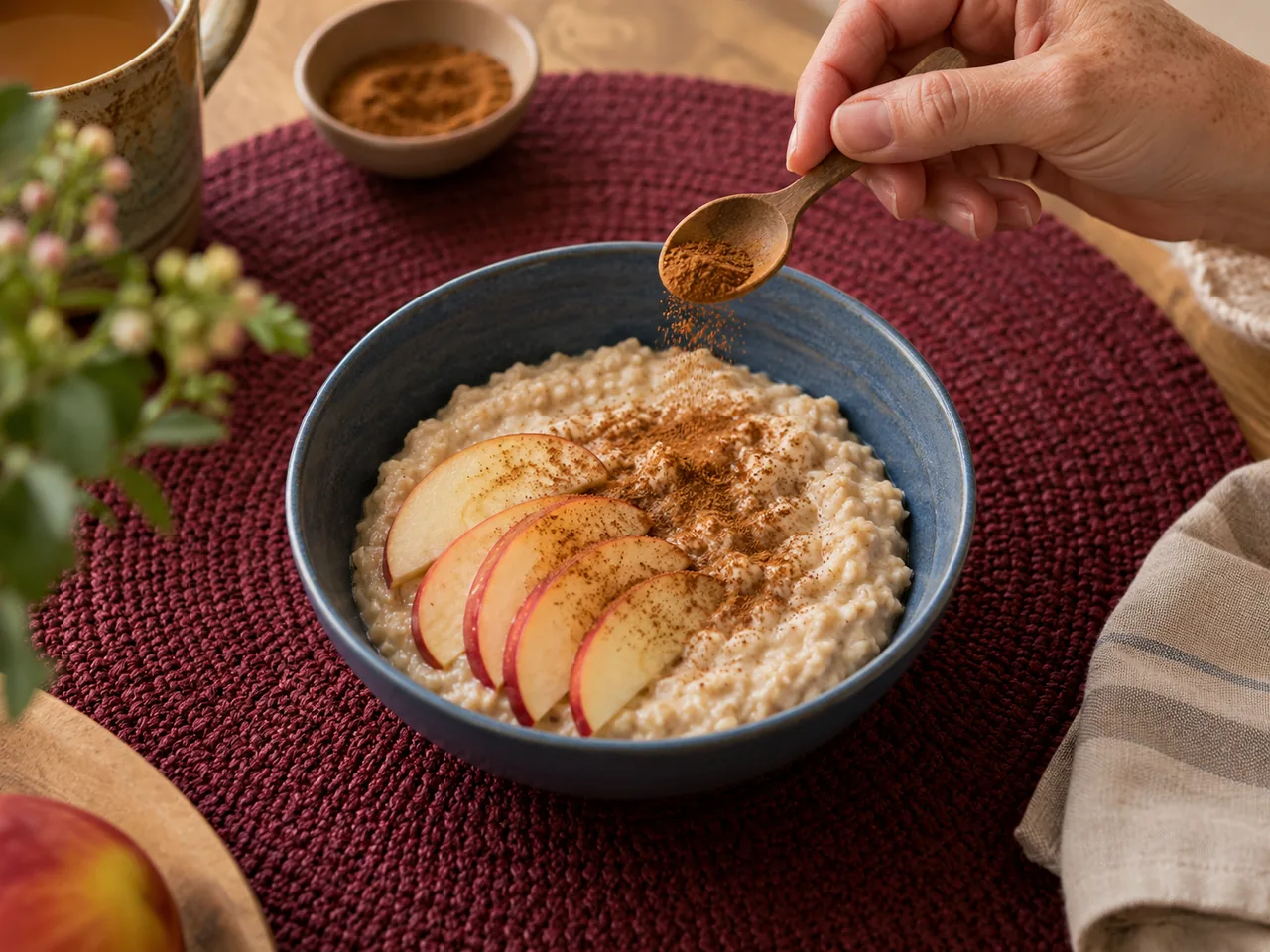
Sugars occur naturally in whole fruit, vegetables and plain milk. Health guidance generally does not ask you to limit those, and the WHO sugars guideline explicitly leaves them out.
Added sugars are the ones put into foods and drinks during processing or preparation, or at the table: table sugar, syrups, honey and concentrated fruit juices, for example. WHO uses a slightly broader term, free sugars, which also includes the sugar naturally present in fruit juice. That is why a glass of juice is treated differently from a whole orange.
How much: different organizations draw different lines
There is no single global number, and US advice changed recently. Here is how several major organizations frame it for adults:
- WHO: keep free sugars below 10% of daily energy, about 50 grams on a 2,000-calorie day, with a further reduction below 5% suggested as a conditional recommendation that may bring extra benefit.
- US Dietary Guidelines 2020 to 2025: added sugars below 10% of daily calories. The 50 gram Daily Value for added sugars on US food labels matches this figure on a 2,000-calorie diet.
- US Dietary Guidelines 2025 to 2030, released in January 2026: no amount of added sugar is recommended as part of a healthy diet, and one meal should contain no more than 10 grams.
- American Heart Association: no more than 6% of daily calories, about 6 teaspoons (100 calories) a day for most women and about 9 teaspoons (150 calories) for most men.
You do not have to choose one and count every gram. The lines differ, but they point the same way. For context, CDC survey data from 2017 to 2018 put average added sugar intake for US adults at about 17 teaspoons a day.
Related read: Healthy Eating That Fits Your Everyday Life
Where added sugar shows up
According to the CDC, the leading sources of added sugar in the US diet are sugar-sweetened drinks, followed by desserts and sweet snacks. Sugar also turns up in foods that do not taste like dessert: WHO points out that a tablespoon of ketchup holds about a teaspoon of free sugars.
For people who train, a few categories are worth a quick look:
- Sports and energy drinks. The CDC counts both as sugary drinks; in its comparison, a 12-ounce sports drink has about 5 teaspoons of sugar and a regular soda about 10.
- Flavored yogurts and flavored milks, which the American Heart Association lists among common sources.
- Breakfast cereals and bars, including some sold for energy or protein.
- Coffee shop drinks with syrups, and sweetened tea.
If you use sports drinks, gels or chews during long or intense sessions, that is a separate fueling question to work out with a coach or sports dietitian. Away from training, they count like any other sugary drink.
Reading a label in ten seconds
- Find "Includes Added Sugars" under Total Sugars on the Nutrition Facts label. Total sugars also count the natural sugar in fruit and milk, so the added line is the one to compare.
- Use the percent Daily Value as a quick guide: the FDA describes 5% DV or less per serving as low and 20% DV or more as high.
- Scan the ingredient list for other names. Words ending in "-ose" (such as dextrose or maltose), anything called a syrup, honey, molasses, cane sugar and fruit juice concentrate all count.
- Check the servings per container, because one bottle or bag may hold more than one serving.
Heart-health advice from the NHLBI also lists added sugars among the things a healthy eating plan limits, and notes that understanding nutrition labels can help you choose.
Small swaps that add up
Cutting back tends to stick when the steps are small. Pick one or two to start:
- Make water, sparkling water or unsweetened tea your everyday drink, and flavor water with citrus, cucumber or berries.
- Buy plain yogurt or plain oats and sweeten them yourself with fruit, cinnamon or a small amount you measure.
- Skip the flavored syrup at the coffee shop, or halve the sugar you add at home for a couple of weeks before halving it again.
- Compare two versions of something you buy often, such as cereal or pasta sauce, and keep the one with less added sugar that you still enjoy.
- Keep a dessert you love, and have it on purpose rather than by habit.
Swapping sugar for low-calorie sweeteners is not the main route the guidance points to. WHO advises reducing free sugars without turning to non-sugar sweeteners, and the current US guidelines also suggest limiting them. Gradually getting used to less sweetness is the more consistent approach.
Progress, not perfection
Birthday cake, a sweet coffee with a friend and holiday food are part of life. Aim for a week with less added sugar than before, not a week with none. If old habits return, start again with the next drink or meal; there is nothing to make up for.
Try it: an optional one-week drink swap
For one week, notice the sweetened drinks you have each day, including coffee shop drinks and sports drinks outside training. Replace one of them each day with water, sparkling water with a squeeze of citrus, or plain milk. At the end of the week, keep the swap if it felt easy, or choose a smaller one if it did not.
Sources
- WHO: Guideline, sugars intake for adults and children (2015)
- WHO: News release, WHO calls on countries to reduce sugars intake among adults and children (2015)
- WHO: Healthy diet fact sheet
- USDA and HHS: Dietary Guidelines for Americans, 2020-2025 (previous edition, PDF)
- USDA and HHS: Dietary Guidelines for Americans, 2025-2030 (January 2026, PDF)
- FDA: Added sugars on the Nutrition Facts label
- FDA: How to understand and use the Nutrition Facts label
- CDC: Get the facts, added sugars
- CDC: Rethink your drink
- American Heart Association: Added sugars
- NHLBI: Choose heart-healthy foods
Written from primary sources. Review by a qualified professional is pending. General information, not medical advice. Links are to primary sources and are not endorsements of LiftIQ. Photos are illustrative.
Related guides



Keep exploring
Read as much as you like. An account is for following your own plan and progress.